
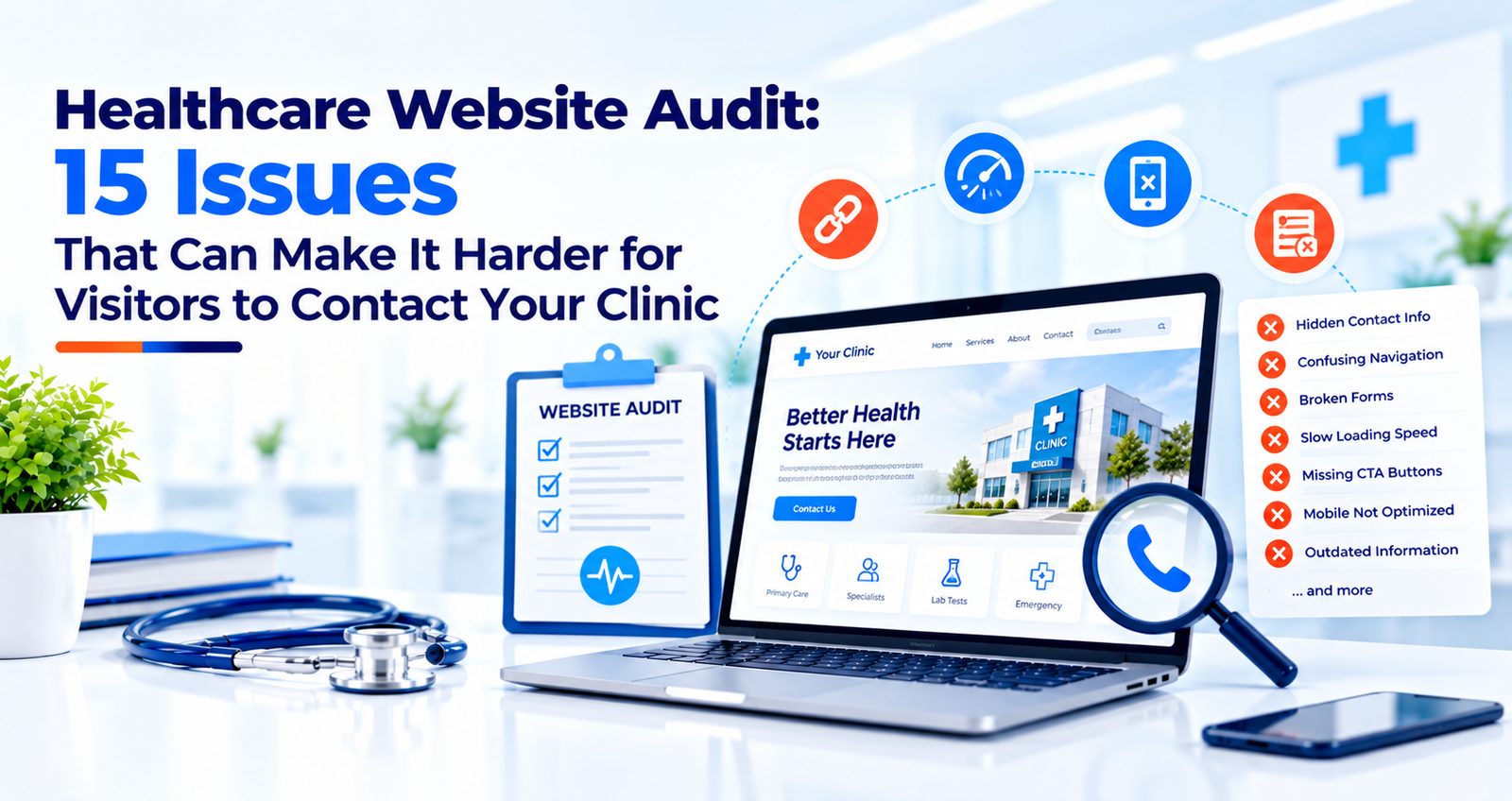
A healthcare website is often the first place people visit when they want to learn about a hospital, clinic, or medical professional. They may be looking for a doctor, checking available treatments, comparing healthcare facilities, or trying to book an appointment. If the website is confusing, slow, or difficult to navigate, visitors may leave without contacting the clinic.
For healthcare businesses, a website should do more than share basic information. It should help visitors understand the services offered, find relevant details quickly, and take the next step with confidence. This is why a regular Healthcare Website Audit is important for identifying problems that may affect user experience, search visibility, and appointment enquiries.
World SEO Services helps healthcare businesses strengthen their digital presence through healthcare SEO, website development, content marketing, local SEO, and lead generation strategies. Reviewing a website regularly can help clinics identify gaps and make practical improvements that support both visitors and business goals.
In this guide, we will explore 15 common website issues that can make it harder for visitors to contact a clinic, along with practical ways to address them.
What Is a Healthcare Website Audit?
A Healthcare Website Audit is a structured review of a healthcare website to identify technical issues, usability problems, content gaps, SEO weaknesses, and barriers that may prevent visitors from taking action.
The audit focuses on questions such as:
- Can visitors find the clinic’s phone number easily?
- Does the website work properly on mobile devices?
- Are appointment booking options clear?
- Can search engines understand the website’s pages?
- Is the medical information clear, accurate, and trustworthy?
- Do contact forms work without unnecessary steps?
The goal is to create a website that is easier to use, easier to discover online, and more helpful for people looking for healthcare services.
15 Website Issues That Can Make It Harder for Visitors to Contact Your Clinic
1. Contact Information Is Difficult to Find
Visitors should not have to search through several pages to find a clinic’s phone number, email address, or physical location. When contact details are hidden in the footer or placed on an unclear page, potential patients may give up.
How to improve it:
- Add a visible phone number to the website header.
- Create a dedicated Contact Us page.
- Display the clinic’s address and working hours.
- Make the phone number clickable on mobile devices.
- Keep contact details consistent across the website.
Important contact information should be accessible from the main pages, especially the homepage and service pages.
2. The Website Is Not Mobile-Friendly
Many people search for healthcare services using smartphones. If text is too small, buttons are difficult to tap, or the page layout breaks on smaller screens, visitors may struggle to use the website.
A mobile-friendly website should adjust to different screen sizes without forcing users to zoom in or scroll horizontally.
How to improve it:
- Use a responsive website design.
- Keep text readable on smaller screens.
- Make buttons large enough to tap comfortably.
- Ensure forms work properly on mobile devices.
- Test important pages on different screen sizes.
A mobile-friendly experience can make it easier for visitors to call, request information, or book appointments.
3. Pages Take Too Long to Load
Website speed affects how easily visitors can access information. A slow website may frustrate users who want to check consultation details or contact a clinic quickly.
Large images, unnecessary scripts, excessive plugins, and poorly optimised code can contribute to slow loading times.
How to improve it:
- Compress images without significantly reducing quality.
- Remove unnecessary plugins and scripts.
- Use browser caching where appropriate.
- Review hosting performance.
- Test key pages with website speed tools.
Focus on improving the experience of important pages, including the homepage, doctor profiles, treatment pages, and appointment forms.
4. Appointment Booking Is Confusing
A clinic may offer online appointment requests, but a complicated process can discourage visitors from completing them. Too many fields, unclear instructions, or unnecessary steps may create friction.
How to improve it:
- Keep appointment forms short.
- Ask only for information that is genuinely needed at the initial stage.
- Explain what happens after the form is submitted.
- Display a clear confirmation message.
- Test the complete booking process regularly.
If online booking is available, make the booking option easy to identify throughout the website.
5. Calls to Action Are Missing or Unclear
A call to action tells visitors what they can do next. Examples include “Book an Appointment,” “Call the Clinic,” and “Request Information.”
If a service page provides information but does not explain how to contact the clinic, visitors may leave without taking action.
How to improve it:
- Add relevant calls to action to important pages.
- Use clear, specific button text.
- Place appointment options near relevant service information.
- Ensure buttons lead to the correct page or action.
- Avoid filling every section with multiple competing buttons.
A clear next step helps visitors move from researching a service to contacting the clinic.
6. Contact Forms Have Too Many Fields
Long contact forms can create unnecessary effort. Asking for extensive personal details before a visitor has even spoken to the clinic may reduce the likelihood of form completion.
How to improve it:
- Request only essential information.
- Use clear field labels.
- Explain why any sensitive information is required.
- Display helpful error messages when information is missing.
- Test the form on both desktop and mobile devices.
Healthcare websites should also handle personal information responsibly. Collect only what is needed, protect submitted information, and follow applicable privacy requirements.
7. Doctor Profiles Lack Important Information
People often want to understand a doctor’s qualifications, specialisation, and professional experience before contacting a clinic. Incomplete profiles can leave important questions unanswered.
A doctor profile that contains only a name and photograph may not provide enough context for visitors to make an informed decision.
How to improve it:
- Include verified qualifications and specialisations.
- Explain relevant professional experience accurately.
- Mention the services the doctor provides.
- Add consultation details where appropriate.
- Keep profile information updated.
Healthcare content should be factual and professionally presented. Avoid unsupported claims, exaggerated credentials, or guarantees about treatment outcomes.
8. Treatment and Service Pages Are Too Basic
A page that simply lists a treatment name may not answer the questions visitors have. People may want to understand what a service involves, who provides it, and how to enquire about a consultation.
How to improve it:
- Explain the service in clear, simple language.
- Include relevant information about the consultation process.
- Address common questions without making unsupported medical claims.
- Identify the relevant department or healthcare professional.
- Provide a clear contact or appointment option.
Detailed, useful service pages can improve the visitor experience and support relevant search visibility.
9. Website Navigation Is Confusing
Visitors should be able to move between the homepage, doctor profiles, services, and contact page without difficulty. If menus contain too many options or use unclear labels, finding information becomes harder.
How to improve it:
- Use straightforward menu labels.
- Group related services under suitable categories.
- Keep the main navigation consistent across pages.
- Avoid unnecessary menu items.
- Make important pages accessible within a few clicks.
Good navigation helps visitors understand the website structure and find the information they need more efficiently.
10. The Website Has Broken Links or Buttons
A button that does not work can interrupt the visitor journey. The same problem occurs when a contact form fails, a phone link is incorrect, or a service page leads to a missing page.
These issues may go unnoticed unless the website is tested regularly.
How to improve it:
- Check important links and buttons periodically.
- Test phone numbers and email links.
- Review forms after website updates.
- Fix broken internal links.
- Redirect outdated pages appropriately when their URLs change.
During a Healthcare Website Audit, test the actions that matter most, rather than checking only whether the homepage opens.
11. The Website Lacks Trust-Building Information
Healthcare decisions often require confidence. Visitors may hesitate to contact a clinic if they cannot find reliable information about its location, doctors, services, or operating hours.
A professional design alone is not enough to establish trust.
How to improve it:
- Provide accurate clinic and doctor information.
- Display clear contact details.
- Keep opening hours updated.
- Explain available services honestly.
- Use genuine, authorised photographs where appropriate.
- Ensure privacy information is easy to find.
Trust-building content should be authentic. Avoid fake reviews, misleading claims, and statements that cannot be supported.
12. Important Pages Have Weak SEO
Search engine optimisation helps search engines understand a website and its relevance to users’ searches. If important pages have unclear titles, duplicate content, poor headings, or missing descriptive information, their search performance may suffer.
How to improve it:
- Give each important page a clear, relevant title.
- Use descriptive headings.
- Write useful content around the services provided.
- Add descriptive image alt text where appropriate.
- Review indexing and crawlability issues.
- Use relevant internal links between related pages.
Healthcare SEO should prioritise useful information and clear page structure. Adding keywords repeatedly without improving the content does not create a better experience for visitors.
13. Local Clinic Information Is Inconsistent
People searching for nearby healthcare services often need accurate location details, directions, phone numbers, and opening hours. If these details differ across the website and business listings, visitors may become confused.
How to improve it:
- Keep the clinic’s name, address, and phone number consistent.
- Update operating hours when they change.
- Maintain an accurate Google Business Profile.
- Include location details on relevant pages.
- Make directions easy to access.
Local SEO improvements can help people discover a clinic and understand how to reach it. However, visibility depends on several factors, including relevance, location, and competition.
14. Website Content Is Difficult to Understand
Medical terminology can be necessary, but excessive jargon may make a page difficult for general visitors to understand. Long paragraphs, vague headings, and complicated sentences can also make information harder to scan.
How to improve it:
- Use simple language wherever possible.
- Break long sections into shorter paragraphs.
- Add descriptive headings and bullet points.
- Explain unfamiliar medical terms.
- Answer common questions directly.
Clear content is especially important when visitors are comparing services or trying to understand how to contact the right department. Medical information should remain accurate while being accessible to a general audience.
15. Website Performance Is Not Measured
Without tracking website activity, a clinic may not know which pages help visitors make contact and where users encounter problems.
For example, a service page may receive traffic but generate few enquiries. The cause could be unclear information, a poorly placed contact button, a technical issue, or a mismatch between the visitor’s needs and the page content.
How to improve it:
- Track appointment form submissions.
- Monitor phone clicks where suitable tracking is available.
- Review traffic to important service pages.
- Check mobile and desktop performance separately.
- Investigate pages with high exits or low engagement.
- Test improvements and compare results over time.
Use analytics responsibly and follow applicable privacy requirements. Website data should help the clinic make informed improvements rather than encourage assumptions about individual visitors.
How Often Should You Conduct a Healthcare Website Audit?
A healthcare website should be reviewed regularly, with the frequency depending on its size, complexity, and how often it changes.
A practical approach is to:
- Check important contact actions monthly: Test phone links, appointment forms, and key buttons.
- Review website performance quarterly: Examine speed, mobile usability, technical errors, and important page performance.
- Audit after major updates: Recheck the website after redesigns, plugin changes, hosting changes, or navigation updates.
- Review content regularly: Confirm that doctor profiles, service details, addresses, and opening hours remain accurate.
Clinics that frequently add services or publish new content may need more frequent checks. Any major technical issue affecting appointment requests should be addressed as soon as possible.
How World SEO Services Can Help Improve Your Healthcare Website
Identifying website problems is only the first step. The next step is deciding which issues should be fixed first and how those improvements support the clinic’s goals.
World SEO Services supports healthcare businesses with digital marketing solutions designed around their online presence and audience needs. Depending on the website’s requirements, this work may include:
- Healthcare Website Development: Improving website structure, usability, and mobile responsiveness.
- Healthcare SEO Services: Reviewing technical SEO, page structure, content quality, and search visibility.
- Healthcare Content Marketing: Creating useful content that answers visitors’ questions.
- Healthcare Local SEO: Improving location-related information and business listing consistency.
- Healthcare Lead Generation: Reviewing contact journeys and reducing avoidable barriers to enquiries.
- Healthcare Reputation Management: Supporting the accurate and responsible presentation of a healthcare brand online.
The right priorities depend on the individual website. A clinic with a broken appointment form needs a different first step from a clinic whose main challenge is limited search visibility.
Conclusion
A healthcare website should make it easy for visitors to understand a clinic’s services, find trustworthy information, and contact the right team. Problems such as hidden contact details, slow loading pages, confusing booking forms, weak service content, and technical errors can create unnecessary barriers.
A regular Healthcare Website Audit helps clinics identify these issues and prioritise improvements based on their impact on users. Start with essential actions such as calling the clinic, submitting an appointment request, and navigating the website on a mobile device. Then review technical performance, content quality, and SEO.
With a structured approach, World SEO Services can help healthcare businesses identify opportunities to improve their websites and build a more useful digital experience for prospective patients.
Frequently Asked Questions
1. What is a healthcare website audit?
A healthcare website audit is a review of a hospital or clinic website to identify technical errors, usability issues, SEO gaps, content weaknesses, and problems that may prevent visitors from contacting the healthcare provider.
2. Why is a healthcare website audit important?
It helps clinics identify issues that affect website usability, search visibility, and appointment enquiries. Regular reviews can also help keep service information, contact details, and doctor profiles accurate.
3. What should be checked during a healthcare website audit?
Important areas include mobile responsiveness, loading speed, contact information, appointment forms, calls to action, navigation, doctor profiles, service pages, technical SEO, local business information, and website analytics.
4. Can a website audit help a clinic get more appointment enquiries?
An audit can identify barriers that make it difficult for visitors to contact a clinic. Fixing those barriers may improve the enquiry process, although the results depend on factors such as website traffic, service demand, competition, and the changes implemented.
5. How can World SEO Services help with a healthcare website audit?
World SEO Services can help healthcare businesses review website usability, SEO, content, local visibility, and lead-generation journeys. The specific recommendations depend on the website’s existing condition and the clinic’s digital marketing goals.