
Navigating the Digital Landscape: Top 12 Digital Marketing Trends in 2023 You Should Know
January 24, 2024
Top 5 Digital Marketing Companies in Bangalore
July 25, 2024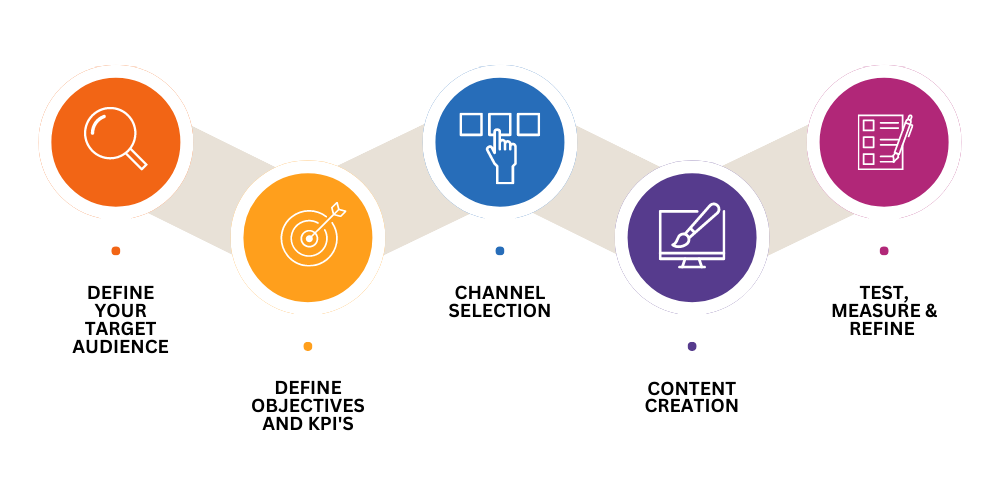
Performance marketing is a digital marketing approach where advertisers pay only when a specific, measurable action is completed. These actions may include a sale, lead submission, website click, app installation, or any other predefined goal. Unlike traditional advertising, where businesses pay upfront without guaranteed results, performance marketing focuses entirely on accountability, transparency, and return on investment.
Beginner’s Guide to Performance Marketing
- Measurable Objectives: Performance marketing campaigns are built around clearly defined and measurable objectives. Businesses set specific goals such as increasing online sales, generating qualified leads, driving targeted website traffic, or boosting app downloads. These objectives help marketers track performance accurately and determine whether campaigns are delivering real business value.
- Payment Based on Performance: In performance marketing, advertisers only pay when a desired action occurs. For example, in pay-per-click advertising, the advertiser pays only when someone clicks on the ad. In affiliate marketing, payment is made when a sale or lead is generated. This payment structure minimizes risk and ensures that marketing budgets are spent on actual results rather than assumptions.
- Data-Driven Marketing Strategy: Performance marketing relies heavily on data and analytics to evaluate campaign success. Marketers track metrics such as conversion rates, cost per acquisition, and return on ad spend to understand what is working and what needs improvement. This data-driven approach allows continuous optimization and smarter marketing decisions.
- Targeting and Personalization:One of the biggest strengths of performance marketing is precise audience targeting. Advertisers can reach users based on demographics, interests, online behavior, and intent. Personalization further enhances performance by delivering relevant messages to the right audience at the right time, increasing engagement and conversion rates.
Key Components of Performance Marketing
The key components of performance marketing encompass a variety of elements that collectively contribute to the success of a campaign. Here are some crucial components:
- Clear Objectives and Key Performance Indicators (KPIs): Setting clear objectives and KPIs is the foundation of a successful performance marketing strategy. KPIs such as leads generated, sales completed, cost per lead, and return on investment help businesses measure success and align marketing efforts with overall business goals.
- Target Audience Identification and Segmentation: Understanding the target audience is essential in performance marketing. Marketers analyze customer demographics, preferences, and online behavior to segment audiences effectively. This segmentation allows campaigns to be tailored for specific groups, resulting in better engagement and higher conversion rates.
- Data and Analytics: Advanced tracking and analytics tools play a critical role in performance marketing. These tools provide insights into user behavior, campaign performance, and traffic sources. By analyzing this data, marketers can identify opportunities for improvement and refine strategies for better outcomes.
- Attribution Models:Attribution models help determine how different marketing channels contribute to conversions. By understanding which touchpoints influence customer decisions, businesses can allocate budgets more effectively and optimize their marketing mix for improved performance.
- Channel Selection: Choosing the right marketing channels is crucial for achieving campaign objectives. Performance marketing channels may include search engines, social media platforms, affiliate networks, email marketing, and display advertising. The selection depends on the target audience, business goals, and budget.
- Ad Creatives and Messaging: High-quality ad creatives and compelling messaging significantly impact campaign success. Performance marketers continuously test different headlines, visuals, and calls to action to identify what resonates best with the audience and drives conversions.
- Landing Page Optimization: The performance marketing journey does not end with an ad click. Optimized landing pages are essential for converting visitors into customers. Factors such as fast loading speed, clear messaging, strong calls to action, and user-friendly design all contribute to higher conversion rates.
Getting Started with Performance Marketing
If you’re looking to get started with performance marketing, here’s a step-by-step guide to help you navigate through the initial stages:
- Define Your Marketing Objectives:
- Begin by clearly defining what you want to achieve with performance marketing. Whether the goal is lead generation, online sales, increased website traffic, or brand visibility, having a clear objective ensures focused and effective campaigns.
- Understand Your Target Audience
- Research your target audience to understand their needs, challenges, and online behavior. This knowledge helps in crafting relevant ads and selecting the right platforms to reach potential customers effectively.
- Select the Right Performance Marketing Channels:
- Choose channels that align with your objectives and audience. Platforms such as Google Ads, social media advertising, affiliate marketing, email campaigns, and display advertising offer different advantages depending on your goals.
- Search Engine Marketing (Google Ads, Bing Ads)
- Social Media Advertising (Facebook Ads, Instagram Ads, Twitter Ads)
- Affiliate Marketing
- Email Marketing
- Display Advertising
- Choose channels that align with your objectives and audience. Platforms such as Google Ads, social media advertising, affiliate marketing, email campaigns, and display advertising offer different advantages depending on your goals.
- Create Engaging Ad Creatives:
- Develop ad creatives that capture attention and communicate value clearly. Effective ad copy and visuals encourage users to take action and improve overall campaign performance.
- Optimize Landing Pages for Conversions:
- Ensure landing pages are aligned with ad messaging and designed to guide users toward the desired action. A well-optimized landing page increases trust and improves conversion rates.
- Implement Tracking and Analytics:
- Set up tracking tools such as conversion tracking and analytics platforms to monitor campaign performance. Accurate tracking enables data-driven optimization and better decision-making.
- Choose Suitable Attribution Models:
- Select attribution models that best reflect your customer journey. Understanding how users interact with your brand before converting helps improve strategy and budget allocation.
- Set Budgets and Bidding Strategies:
- Determine budgets and bidding strategies based on campaign goals. Whether using cost-per-click, cost-per-acquisition, or impression-based bidding, aligning budgets with objectives is essential for success.
- Launch, Monitor, and Optimize Campaigns:
- Once campaigns are live, continuously monitor performance metrics. Regular testing and optimization help improve results and maximize return on investment.
- Ensure Compliance and Continuous Learning:
- Stay compliant with advertising regulations and data privacy laws. Additionally, keep up with industry trends and platform updates to maintain long-term performance marketing success.
- Continuous Testing and Optimization:
- Performance marketing is not a one-time setup; it is an ongoing process of testing and improvement. Marketers continuously experiment with different ad creatives, audience segments, bidding strategies, and landing page elements to identify what performs best. By analyzing test results, underperforming elements are refined or replaced, ensuring campaigns become more efficient over time and deliver better results with the same or lower budget.
- Cost Control and Budget Efficiency:
- One of the biggest advantages of performance marketing is the ability to maintain complete control over advertising spend. Businesses can set daily or monthly budgets, pause underperforming campaigns, and scale high-performing ones instantly. This flexibility ensures that marketing investments are used efficiently, reduces wasted spend, and helps businesses achieve predictable and sustainable growth.
- One of the biggest advantages of performance marketing is the ability to maintain complete control over advertising spend. Businesses can set daily or monthly budgets, pause underperforming campaigns, and scale high-performing ones instantly. This flexibility ensures that marketing investments are used efficiently, reduces wasted spend, and helps businesses achieve predictable and sustainable growth.
FAQs
Performance marketing is a digital marketing strategy where advertisers pay only when a specific action is completed, such as a sale, lead, click, or app installation. It focuses on measurable results, accountability, and ROI, unlike traditional advertising where payments are made upfront.
In performance marketing, campaigns are built around clear objectives. Advertisers pay only when a predefined action occurs. Data tracking, analytics, and audience targeting are used to optimize campaigns and ensure that marketing budgets are spent on results.
Common channels include search engine marketing (Google Ads, Bing Ads), social media advertising (Facebook, Instagram, Twitter), affiliate marketing, email marketing, and display advertising. Channel selection depends on campaign goals and audience behavior.
Traditional marketing involves paying upfront for ads without guaranteed results, whereas performance marketing charges advertisers only when a specific measurable action occurs. This makes performance marketing more cost-efficient and ROI-focused.
Data allows marketers to track conversions, analyze audience behavior, measure ROI, and optimize campaigns. A data-driven approach ensures continuous improvement and smarter budget allocation.
